

Embarking on the journey of securing a mortgage in Germany as an expat involves navigating through various requirements, interest rates, and legal steps. This comprehensive guide delves into the intricacies of the process, shedding light on what expats need to know before taking this significant financial step.
Understanding Mortgage Requirements in Germany
When it comes to securing a mortgage in Germany as an expat, there are specific requirements that need to be met in order to be eligible for a loan. Understanding these requirements is crucial for a successful mortgage application process.General Eligibility Criteria for Expats
- Expats must have a valid residence permit in Germany.
- Proof of stable income is essential to demonstrate the ability to repay the loan.
- Some lenders may require a minimum period of residency in Germany before applying for a mortgage.
Documentation Required for Expats
- Valid passport and visa documents.
- Proof of income such as pay slips or employment contracts.
- Bank statements to show financial stability.
- Proof of residency in Germany.
Credit History and Income Verification
Having a good credit history and stable income are crucial factors in the mortgage approval process for expats in Germany. Lenders will assess the creditworthiness of the applicant based on their credit score and history of loan repayments. Income verification is also important to ensure that the borrower has the financial means to make regular mortgage payments.Exploring Interest Rates for Expats in Germany
When it comes to securing a mortgage in Germany as an expat, understanding the interest rates is crucial. Let's delve into how interest rates for expats compare to those offered to German residents, the current trends in the German mortgage market, and the factors that can influence the interest rates available to expats.Interest Rates for Expats vs. German Residents
Expats in Germany may face slightly higher interest rates compared to German residents. Lenders typically consider expats to be higher-risk borrowers due to factors such as shorter credit history and potential job instability. This can result in expats being offered loans with higher interest rates to mitigate the perceived risk.
Current Interest Rate Trends in the German Mortgage Market
The German mortgage market has seen historically low interest rates in recent years, making it an attractive time for individuals, including expats, to secure a mortgage. The European Central Bank's monetary policy plays a significant role in determining interest rates in Germany, and factors such as economic conditions and inflation rates also impact the overall trend.
Factors Influencing Interest Rates for Expats in Germany
Several factors can influence the interest rates available to expats seeking a mortgage in Germany. These factors include the individual's credit score, employment stability, income level, loan-to-value ratio, and the type of mortgage product chosen. Additionally, the lender's policies and the overall economic climate can also impact the interest rates offered to expats.
Legal Steps Involved in Securing a Mortgage as an Expat
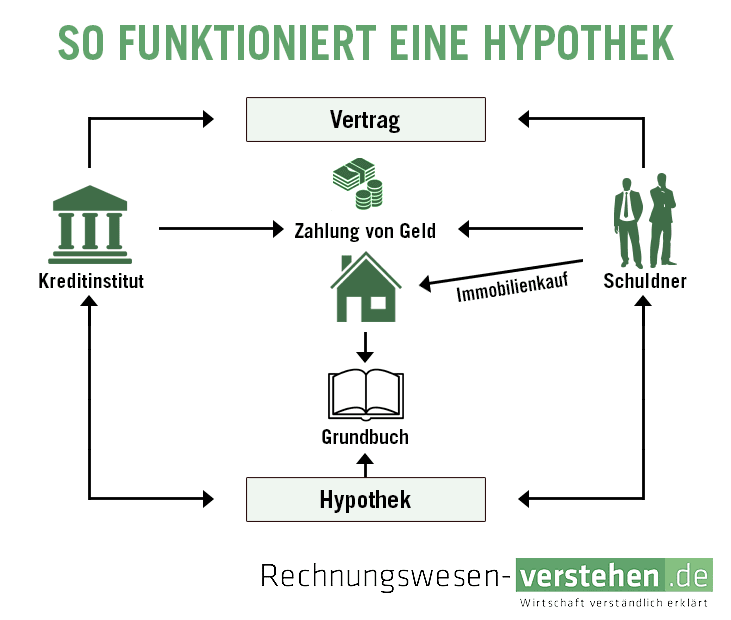 When applying for a mortgage in Germany as an expat, there are specific legal procedures that need to be followed to ensure a smooth application process. Understanding the role of a notary and reviewing and signing key legal documents are crucial steps in securing a mortgage in Germany.
Role of a Notary in the Mortgage Process for Expats in Germany
In Germany, a notary plays a crucial role in the mortgage process for expats. Notaries are responsible for overseeing the legal aspects of property transactions, including mortgages. They ensure that all legal requirements are met, verify the identity of the parties involved, and register the mortgage with the land registry. Expats will need to work closely with a notary to finalize the mortgage agreement and ensure that all legal obligations are fulfilled.Key Legal Documents for Expat Mortgage Applicants
When applying for a mortgage in Germany, expats will be required to review and sign several key legal documents. These documents include the mortgage agreement, which Artikels the terms and conditions of the loan, as well as the property purchase contract and the land register entry. It is essential for expats to carefully review these documents with the assistance of a legal expert or translator to ensure that they understand their rights and obligations as mortgage applicants.Conclusion
In conclusion, securing a mortgage in Germany as an expat demands a thorough understanding of the requirements, interest rates, and legal procedures involved. By being well-informed and prepared, expats can confidently navigate the complexities of obtaining a mortgage in a foreign land.
Questions Often Asked
What are the general eligibility criteria for expats seeking a mortgage in Germany?
Expats usually need a residence permit, stable income, and a good credit history to qualify for a mortgage in Germany.
How do interest rates for expats in Germany compare to those offered to German residents?
Interest rates for expats may be slightly higher than those for German residents due to perceived higher risk.
What legal procedures do expats need to follow when applying for a mortgage in Germany?
Expats need to adhere to the same legal steps as German residents, including notarizing documents and signing legal agreements.

