

Exploring the comparison between Cash-Out Refinance and HELOC for US homeowners, this initial passage sets the stage for an in-depth analysis with a blend of insightful information and engaging narrative.
The following paragraph will delve into the specifics of each financial strategy, shedding light on their benefits and considerations.
Cash-Out Refinance Overview
A cash-out refinance is a financial strategy where homeowners refinance their existing mortgage for an amount greater than what they owe and receive the difference in cash. Essentially, it allows homeowners to access the equity in their home by borrowing more than the current loan balance.Benefits of Cash-Out Refinance
- Consolidating high-interest debt: Homeowners can use the cash from a refinance to pay off high-interest debts like credit cards, resulting in lower overall interest payments.
- Home improvement projects: The funds from a cash-out refinance can be used to finance home renovation projects, increasing the property's value.
- Lower interest rates: By refinancing at a lower interest rate, homeowners can potentially save money on interest payments over the life of the loan.
Eligibility Criteria for Cash-Out Refinance
- Minimum credit score: Lenders typically require a credit score of 620 or higher to qualify for a cash-out refinance.
- Equity in the home: Homeowners need to have sufficient equity in their property, usually at least 20%.
- Debt-to-income ratio: Lenders will consider the homeowner's debt-to-income ratio to ensure they can afford the new loan.
Pros and Cons of Cash-Out Refinance
- Pros:
- Access to cash for various purposes.
- Potential for lower interest rates.
- Possible tax benefits on mortgage interest.
- Cons:
- Incurring additional closing costs and fees.
- Risk of resetting the loan term and paying more interest in the long run.
- Potential to increase monthly mortgage payments.
HELOC Overview
A Home Equity Line of Credit (HELOC) is a revolving line of credit that allows homeowners to borrow against the equity in their home. Unlike a cash-out refinance where a new mortgage is taken out, a HELOC works more like a credit card with a predetermined borrowing limit based on the equity in the home.
When to Choose a HELOC over a Cash-Out Refinance
- When you need access to funds for ongoing expenses like home renovations or education costs.
- If you prefer the flexibility of borrowing only what you need when you need it, rather than taking out a lump sum.
- When you have a lower interest rate on your current mortgage and do not want to refinance at a higher rate.
Application Process and Requirements
To obtain a HELOC, homeowners typically need to have a good credit score, sufficient equity in their home, and a steady income. The application process involves submitting documentation such as income statements, property valuation, and credit history. Once approved, homeowners can access funds as needed up to the credit limit.
Advantages and Disadvantages of Using a HELOC
- Advantages:
- Flexibility to borrow only what you need.
- Lower initial costs compared to a cash-out refinance.
- Interest may be tax-deductible if the funds are used for home improvements.
- Disadvantages:
- Variable interest rates can lead to higher payments if rates rise.
- Risk of losing your home if you are unable to repay the borrowed amount.
- Potential for overspending and accumulating more debt than planned.
Benefits of Cash-Out Refinance
When considering a cash-out refinance, homeowners can enjoy several advantages over opting for a HELOC. This financial strategy allows homeowners to access equity in their homes by refinancing their mortgage for a higher amount than what is currently owed. Below are some key benefits of choosing a cash-out refinance:Access to Home Equity
- Through a cash-out refinance, homeowners can tap into their home equity by borrowing against the value of their property. This can be a useful way to access funds for major expenses such as home renovations, debt consolidation, or other financial goals.
Home equity is the difference between the market value of your home and the outstanding balance on your mortgage.
Potential Lower Monthly Payments
- Depending on current interest rates, a cash-out refinance can potentially lower monthly mortgage payments by securing a new loan with a lower interest rate than the original mortgage. This can result in savings over the life of the loan.
- By consolidating higher-interest debt into the new mortgage, homeowners may also benefit from lower overall monthly payments.
Tax Implications
- Interest paid on a cash-out refinance may be tax-deductible, depending on the specific circumstances. Homeowners should consult with a tax advisor to understand the implications and potential benefits of deducting mortgage interest.
It is important to note that tax laws can change, so staying informed about current regulations is crucial.
Benefits of HELOC
When considering options for tapping into your home equity, a Home Equity Line of Credit (HELOC) offers unique advantages worth exploring.Flexibility in Borrowing
A HELOC allows homeowners to borrow funds as needed, up to a predetermined credit limit, and repay the borrowed amount with interest. This flexibility enables homeowners to access funds for various expenses or projects, such as home renovations, debt consolidation, or unexpected costs.- Home Renovations: Whether you're updating your kitchen, adding a new room, or enhancing your outdoor space, a HELOC can provide the necessary funds to complete your renovation projects.
- Debt Consolidation: By consolidating high-interest debt into a HELOC, homeowners can potentially lower their overall interest payments and streamline their debt repayment process.
- Emergency Expenses: In case of unforeseen expenses like medical bills or major repairs, a HELOC can serve as a financial safety net to cover these costs.
Interest Rates and Comparisons
HELOCs typically come with variable interest rates, which are often lower than rates for other types of loans, such as personal loans or credit cards. The interest on a HELOC is usually tied to the prime rate, making it a cost-effective borrowing option for those who qualify.It's essential to compare the interest rates, fees, and repayment terms of a HELOC with other loan options to determine the most suitable financing solution for your needs.
Considerations for Homeowners
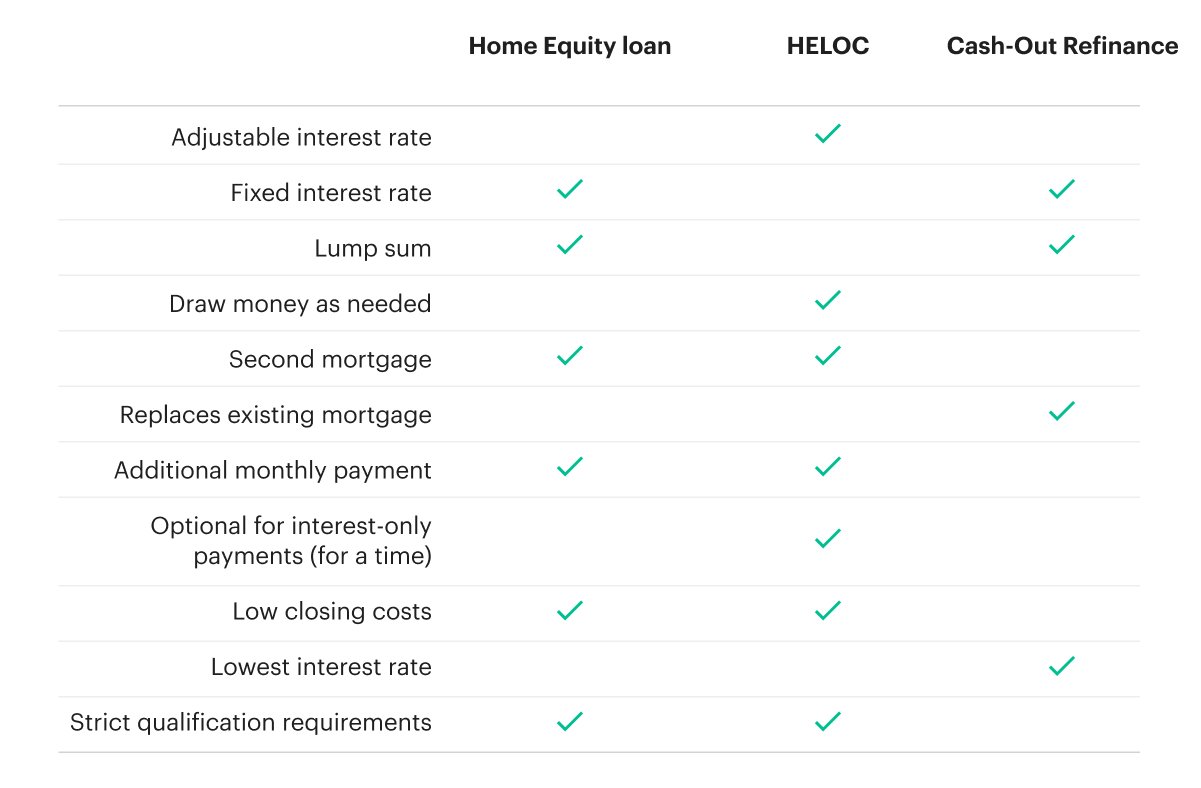 When deciding between a cash-out refinance and a HELOC, homeowners should carefully evaluate their financial goals and circumstances to make the best choice for their situation. Factors such as interest rates, repayment terms, and overall financial health play a crucial role in determining which option is most suitable.
Interest Rates and Repayment Terms
- Consider the current interest rates for both cash-out refinancing and HELOCs. Compare the rates and analyze which option offers a more favorable rate based on your financial goals.
- Examine the repayment terms for each option. Determine whether you prefer a fixed repayment schedule with a cash-out refinance or a more flexible repayment structure with a HELOC.
Financial Goals and Circumstances
- Evaluate your short-term and long-term financial goals. Determine how a cash-out refinance or HELOC can help you achieve these goals effectively.
- Consider your current financial circumstances, including income stability, existing debts, and overall financial health. Choose the option that aligns best with your financial situation.
Long-Term Impact on Financial Health
- Assess the long-term impact of each strategy on your overall financial health. Consider factors such as potential interest savings, debt consolidation opportunities, and future financial stability.
- Calculate the total costs associated with each option, including interest payments, closing costs, and other fees. Determine which option provides the most cost-effective solution for your financial well-being.
Real-Life Scenarios and Case Studies
John, a homeowner, opted for a cash-out refinance to fund home renovations and consolidate high-interest debt. This strategic move helped him reduce his monthly payments and save on overall interest costs.
Sarah, on the other hand, chose a HELOC to finance her children's education expenses and emergency home repairs. The flexibility of the HELOC allowed her to access funds as needed without committing to a large lump sum.
Last Point
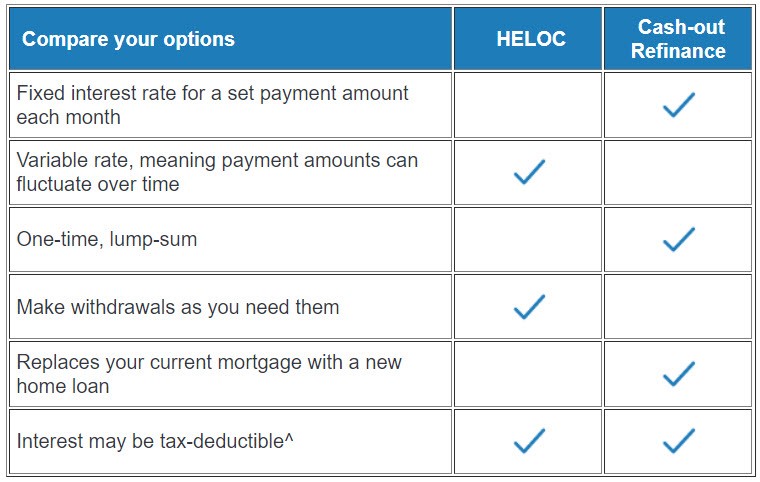
Concluding our discussion on Cash-Out Refinance vs. HELOC, this final paragraph encapsulates the key points discussed, leaving readers with a clear understanding of the best financial approach for their homeownership needs.
Frequently Asked Questions
What are the eligibility criteria for a cash-out refinance?
Eligibility criteria usually include a minimum credit score, a maximum loan-to-value ratio, and sufficient equity in the home. Lenders may have specific requirements, so it's best to check with individual institutions.
How does a HELOC differ from a cash-out refinance?
A HELOC allows homeowners to borrow against their home equity as needed, similar to a credit card, while a cash-out refinance replaces the existing mortgage with a new one for a larger amount, providing the difference in cash.
What factors should homeowners consider when choosing between a cash-out refinance and a HELOC?
Homeowners should consider factors like interest rates, repayment terms, their financial goals, and the purpose of the funds when deciding between these two options. It's essential to weigh the pros and cons carefully.

