

Beginning with Fixed-Rate Mortgages in Germany: Why 10-Year and 15-Year Terms Are the Safest Bet, the narrative unfolds in a compelling and distinctive manner, drawing readers into a story that promises to be both engaging and uniquely memorable.
Exploring the concept of fixed-rate mortgages and their significance for homeowners sets the stage for understanding why 10-year and 15-year terms stand out as the safest choices in Germany.
Overview of Fixed-Rate Mortgages in Germany
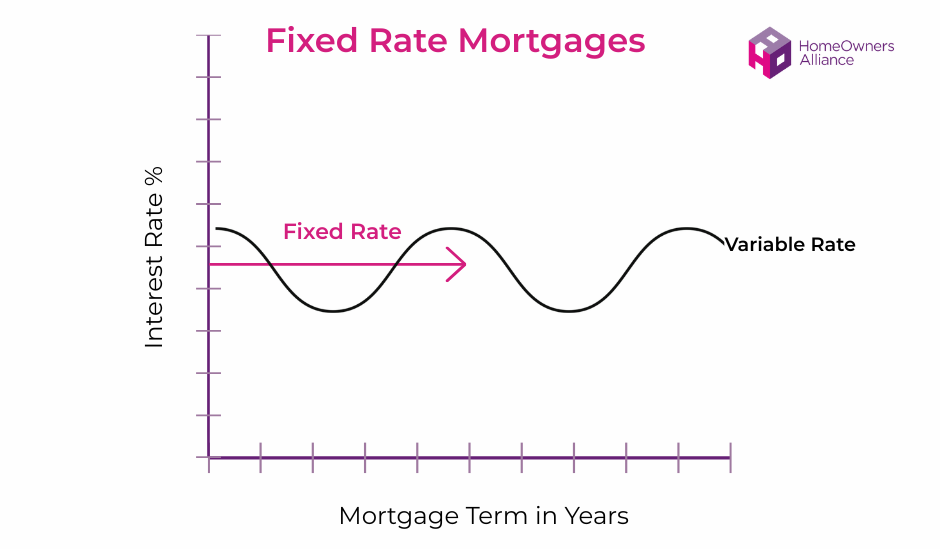
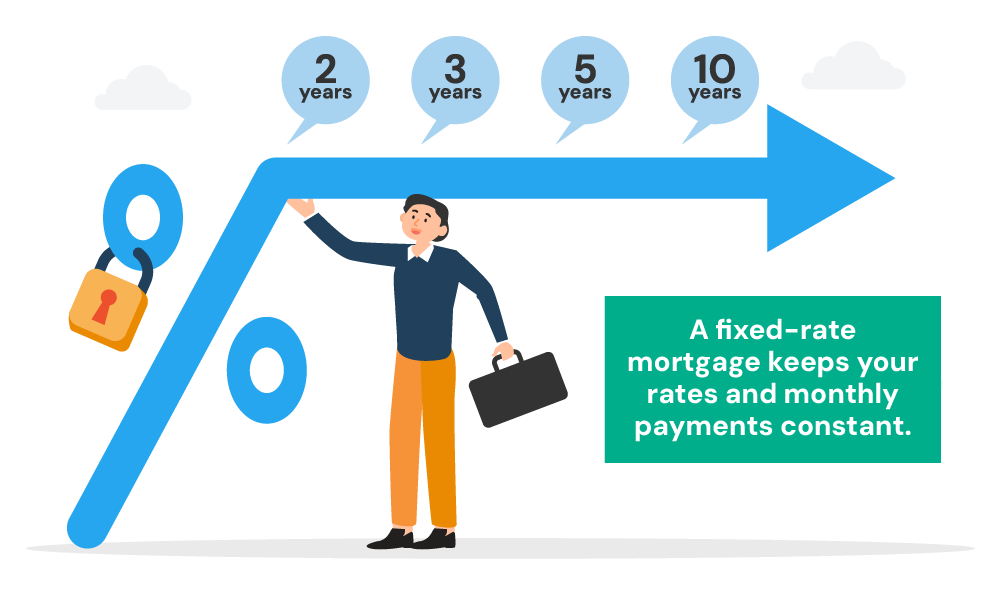
Fixed-rate mortgages are home loans in which the interest rate remains constant for the entire term of the loan. This means that homeowners have predictable monthly payments that do not fluctuate with changes in the market interest rates.
Fixed-rate mortgages are crucial for homeowners because they provide stability and predictability in budgeting. With a fixed interest rate, homeowners can easily plan their finances without worrying about sudden increases in monthly mortgage payments.
Comparison with Other Mortgage Types in Germany
When compared to other types of mortgages in Germany, such as adjustable-rate mortgages or interest-only mortgages, fixed-rate mortgages offer more security and peace of mind. Adjustable-rate mortgages, for example, have interest rates that can change periodically, leading to uncertainty and potential financial strain for homeowners.
Interest-only mortgages, on the other hand, allow borrowers to pay only the interest on the loan for a certain period, resulting in lower monthly payments but leaving the principal balance untouched. This can be risky as it may lead to higher payments later on when the principal balance becomes due.
Benefits of 10-Year Fixed-Rate Mortgages
When it comes to choosing a mortgage term, opting for a 10-year fixed-rate mortgage can offer several advantages for borrowers.Stability for Borrowers
- A 10-year fixed-rate mortgage provides stability and predictability for borrowers, as the interest rate remains constant throughout the entire term.
- With a fixed monthly payment amount, borrowers can better budget and plan their finances without the risk of sudden increases in mortgage payments.
- This stability can be particularly beneficial for first-time homebuyers or those on a strict budget.
Comparison with Longer-Term Options
- While 10-year fixed-rate mortgages typically have slightly higher interest rates compared to longer-term options, such as 15 or 30-year terms, they often come with lower overall interest costs due to the shorter term.
- Borrowers who choose a 10-year term can save significantly on interest payments over the life of the loan compared to longer-term mortgages.
- In addition, the shorter term means borrowers can build equity in their homes faster, providing more financial security in the long run.
Advantages of 15-Year Fixed-Rate Mortgages
When it comes to choosing a mortgage term, a 15-year fixed-rate mortgage offers a unique set of advantages that make it a popular choice among borrowers.Balance Between Stability and Flexibility
A 15-year term strikes a balance between stability and flexibility. While shorter than a 30-year term, it still provides a longer period for repayment compared to a 10-year term. This balance allows borrowers to enjoy the stability of a fixed rate while having a slightly lower monthly payment than a 10-year mortgage.- Offers lower interest rates compared to longer-term mortgages
- Builds equity faster due to higher monthly payments
- Shorter term means paying off the mortgage sooner
Long-Term Benefits
Choosing a 15-year fixed-rate mortgage can lead to significant long-term benefits for borrowers. By paying off the mortgage in half the time of a 30-year loan, borrowers can save on interest payments and build equity in their home at a faster pace"The combination of lower interest rates and a shorter repayment period makes a 15-year fixed-rate mortgage a financially savvy choice for many borrowers."
Factors to Consider When Choosing Between 10-Year and 15-Year Terms
 When deciding between a 10-year and a 15-year fixed-rate mortgage in Germany, borrowers should take into account various factors to make an informed decision that aligns with their financial goals and risk tolerance.
Monthly Payments
- With a 10-year fixed-rate mortgage, borrowers typically have higher monthly payments compared to a 15-year term.
- Choosing a 15-year term may result in lower monthly payments, making it more manageable for some borrowers.
Loan Duration
- A 10-year fixed-rate mortgage means paying off the loan faster, leading to less interest paid over the life of the loan.
- On the other hand, a 15-year term allows for a longer duration to spread out payments, potentially providing more flexibility in the monthly budget.
Interest Rates
- Interest rates for 10-year fixed-rate mortgages are typically lower compared to 15-year terms.
- Borrowers should consider the current interest rate environment and how it may affect the overall cost of the loan.
Financial Goals and Risk Tolerance
- Borrowers with aggressive financial goals and higher risk tolerance may opt for a 10-year term to pay off the loan quickly and save on interest.
- Those with more conservative financial goals or lower risk tolerance may prefer the lower monthly payments of a 15-year term.
Final Wrap-Up
In conclusion, Fixed-Rate Mortgages in Germany: Why 10-Year and 15-Year Terms Are the Safest Bet offers a comprehensive view of the advantages these mortgage options provide, highlighting their stability and long-term benefits for borrowers.
FAQ Explained
What are the key benefits of choosing a fixed-rate mortgage in Germany?
Fixed-rate mortgages provide stability and predictability in monthly payments, shielding borrowers from interest rate fluctuations.
How do 10-year fixed-rate mortgages differ from longer-term options in Germany?
10-year fixed-rate mortgages offer lower interest rates compared to longer terms, making them an attractive choice for those seeking stability without a long commitment.
What factors should borrowers consider when deciding between a 10-year and 15-year fixed-rate mortgage?
Consider your financial goals, risk tolerance, and long-term plans to determine which term aligns best with your needs and preferences.

