

Delving into Navigating the Australian Mortgage Cliff: A Strategic Guide to Refinancing Your Home Loan, this introduction immerses readers in a unique and compelling narrative, with casual formal language style that is both engaging and thought-provoking from the very first sentence.
The content of the second paragraph that provides descriptive and clear information about the topic
Understanding the Australian Mortgage Cliff
The Australian Mortgage Cliff refers to the looming challenges faced by homeowners in Australia due to the economic impact of the COVID-19 pandemic and other contributing factors.Factors contributing to the Mortgage Cliff in Australia
- The economic downturn caused by the COVID-19 pandemic has led to job losses and reduced income for many Australians, making it difficult for them to meet their mortgage repayments.
- Low interest rates have encouraged high levels of borrowing, leading to larger mortgage debts for homeowners.
- The end of government support measures such as mortgage payment holidays has put additional pressure on financially strained homeowners.
Impact of the Mortgage Cliff on homeowners and the housing market
- Many homeowners are facing the risk of defaulting on their mortgages, which could result in the loss of their homes through foreclosure.
- The increased financial stress on homeowners is creating a ripple effect in the housing market, with potential for a rise in property listings and a decrease in property prices.
- Overall, the Mortgage Cliff is causing uncertainty and instability in the housing market, making it crucial for homeowners to consider refinancing options to mitigate the risks.
Importance of Refinancing Your Home Loan
Refinancing your home loan during a Mortgage Cliff can provide numerous benefits and opportunities for homeowners to navigate financial challenges effectively.Advantages of Refinancing
- Lower Interest Rates: By refinancing, homeowners can take advantage of lower interest rates in the current economic climate, potentially reducing monthly repayments and saving money over the life of the loan.
- Access to Equity: Refinancing allows homeowners to access the equity built up in their property, providing funds for home improvements, debt consolidation, or other financial needs.
- Flexible Loan Terms: Homeowners can choose new loan terms that better suit their financial goals, whether it's a shorter loan period to pay off the mortgage faster or a longer term to reduce monthly payments.
- Consolidating Debt: Refinancing can help consolidate high-interest debt into a lower-interest mortgage, simplifying payments and potentially saving money in interest payments.
Disadvantages of Refinancing
- Costs and Fees: Refinancing often involves fees and costs, such as application fees, valuation fees, and exit fees, which can impact the overall savings of refinancing.
- Impact on Credit Score: Multiple credit inquiries during the refinancing process can temporarily lower credit scores, potentially affecting future borrowing opportunities.
- Resetting Loan Term: Extending the loan term through refinancing can result in paying more interest over the life of the loan, even with a lower interest rate.
- Risk of Variable Rates: Opting for a variable rate loan when refinancing can expose homeowners to potential interest rate fluctuations in the future, impacting monthly repayments.
Steps to Successfully Refinance Your Home Loan
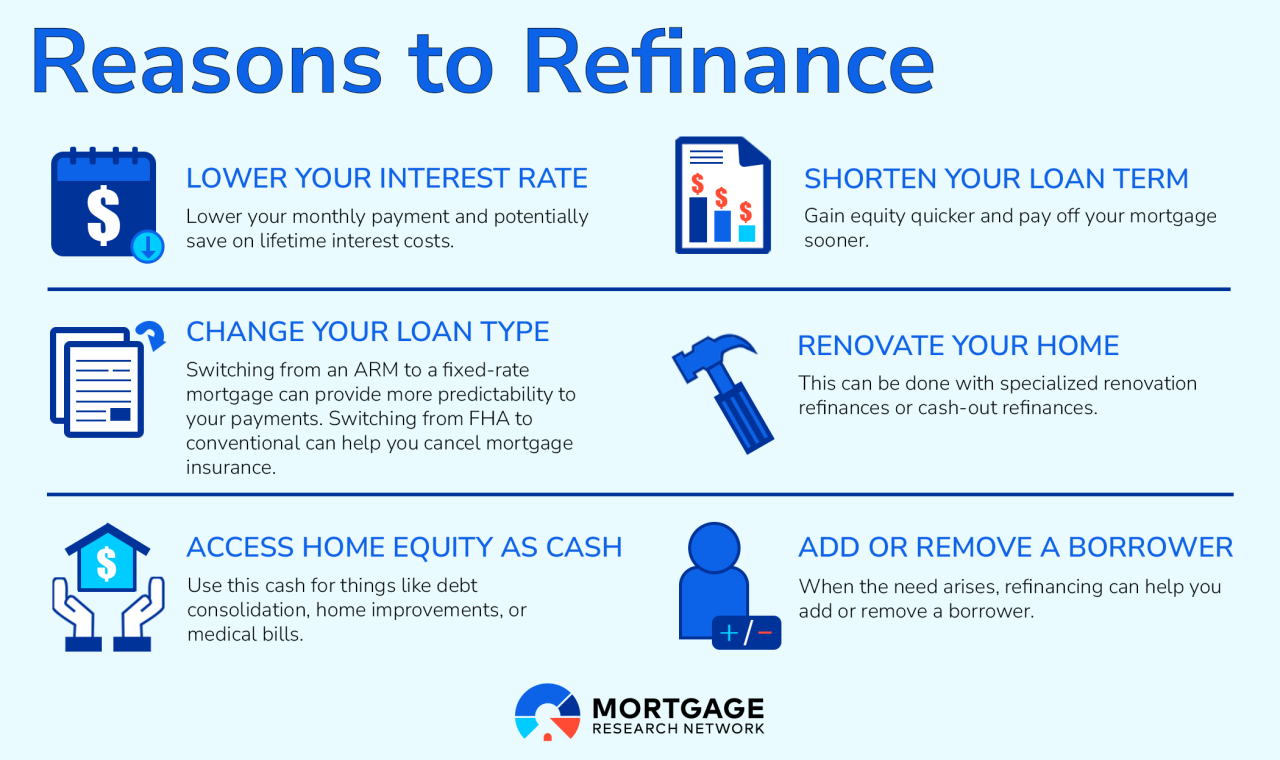 When it comes to refinancing your home loan in Australia, there are specific steps you need to follow to ensure a successful process. Refinancing can help you secure a better interest rate, lower your monthly payments, or access equity in your home for other financial needs. It's essential to understand the process and gather all the necessary documents to streamline your application.
Step 1: Evaluate Your Current Loan
Before refinancing, assess your current loan terms, interest rate, and monthly payments. Determine if refinancing will truly benefit you in the long run. Consider how long you plan to stay in your home and if the savings from refinancing outweigh the costs involved.Step 2: Research Lenders and Loan Options
Shop around for lenders and compare loan options to find the best fit for your financial situation. Consider factors like interest rates, fees, and customer service reputation. Look for competitive rates and favorable terms that align with your goals.Step 3: Gather Required Documents
To complete a refinancing application, you'll need to provide documentation such as proof of income, tax returns, bank statements, and property information. Having these documents ready can expedite the process and increase your chances of approval.Step 4: Submit Your Application
Once you've selected a lender and prepared all the necessary documents, submit your refinancing application. Be prepared to answer any additional questions or provide further documentation during the underwriting process.Step 5: Review and Close the Loan
After your application is approved, review the loan terms carefully before closing. Ensure you understand the new interest rate, monthly payments, and any fees associated with the refinance. Once you're satisfied, sign the necessary paperwork to finalize the refinance.Common Pitfalls to Avoid
- Don't neglect your credit score: Maintaining a good credit score is crucial for securing favorable refinancing terms. - Beware of hidden fees: Be aware of any hidden costs or fees that could increase your overall expenses. - Timing is key: Refinance when interest rates are low to maximize your savings potential. - Avoid taking on unnecessary debt: Refinancing should improve your financial situation, not add to your debt burden.Finding the Right Lender and Loan Options
When it comes to refinancing your home loan, finding the right lender and loan options is crucialComparing Lenders and Offerings
- Compare interest rates: Look for lenders offering competitive interest rates that can help you save money over the life of the loan.
- Consider fees: Take into account any upfront fees, ongoing fees, or exit fees associated with the loan. These can add up and affect the overall cost of refinancing.
- Review loan terms: Understand the loan terms, including the length of the loan, repayment options, and any potential penalties for early repayment.
Choosing the Best Loan Option
- Evaluate your financial circumstances: Consider your income, expenses, and financial goals to determine the type of loan that best suits your needs.
- Seek professional advice: Consult with a mortgage broker or financial advisor to get personalized recommendations based on your individual situation.
- Consider flexibility: Look for loan options that offer flexibility in terms of repayment schedules, redraw facilities, and additional features.
Importance of Interest Rates, Fees, and Loan Terms
- Interest rates: Lower interest rates can result in lower repayments and overall savings on your loan. It's important to secure a competitive rate.
- Fees: Be aware of any hidden fees or charges that could impact the cost of refinancing. Factor in all fees when comparing loan options.
- Loan terms: Understand the terms of the loan, including any restrictions, penalties, or conditions that may affect your ability to manage the loan effectively.
Strategies for Negotiating Better Refinancing Terms
When it comes to refinancing your home loan, negotiating better terms can help you save money in the long run. By understanding how to approach lenders and showcase your financial stability, you can increase your chances of securing lower interest rates or reduced fees.Importance of Credit Scores and Financial Stability
Before entering negotiations with lenders, it's crucial to understand the significance of your credit score and financial stability. Lenders often use these factors to assess your risk level as a borrower and determine the interest rates and terms they can offer you.
- Monitor your credit score regularly and take steps to improve it if needed. A higher credit score can demonstrate your creditworthiness and potentially qualify you for better refinancing terms.
- Showcase your financial stability by providing documentation of steady income, savings, and low debt-to-income ratio. Lenders are more likely to offer favorable terms to borrowers with a stable financial background.
- Consider paying down existing debts or increasing your savings before negotiating with lenders. This can help strengthen your financial profile and make you a more attractive candidate for better refinancing terms.
Success Stories of Homeowners Negotiating Better Terms
Many homeowners have successfully negotiated improved loan terms through effective communication and showcasing their financial stability. These success stories serve as inspiration and examples of how negotiation skills can make a significant impact on refinancing outcomes.
"By providing detailed documentation of my financial stability and comparing offers from different lenders, I was able to secure a lower interest rate and reduced fees on my refinanced home loan." - John, a homeowner who successfully negotiated better terms.
Outcome Summary
The content of the concluding paragraph that provides a summary and last thoughts in an engaging manner
FAQ Explained
What is the Australian Mortgage Cliff?
The Australian Mortgage Cliff refers to the challenging economic situation that impacts homeowners and the housing market.
What are the benefits of refinancing during a Mortgage Cliff?
Refinancing during a Mortgage Cliff can help homeowners secure better terms, lower interest rates, and improved financial stability.
What documents are needed for a successful refinancing application?
Documents such as proof of income, property valuation, and credit history are typically required for a successful refinancing application.
How can homeowners negotiate better refinancing terms?
Homeowners can negotiate better terms by improving their credit score, showcasing financial stability, and comparing offers from different lenders.
What role do interest rates play in choosing a lender for refinancing?
Interest rates are crucial as they determine the overall cost of the loan; lower rates can lead to significant savings over time.

