

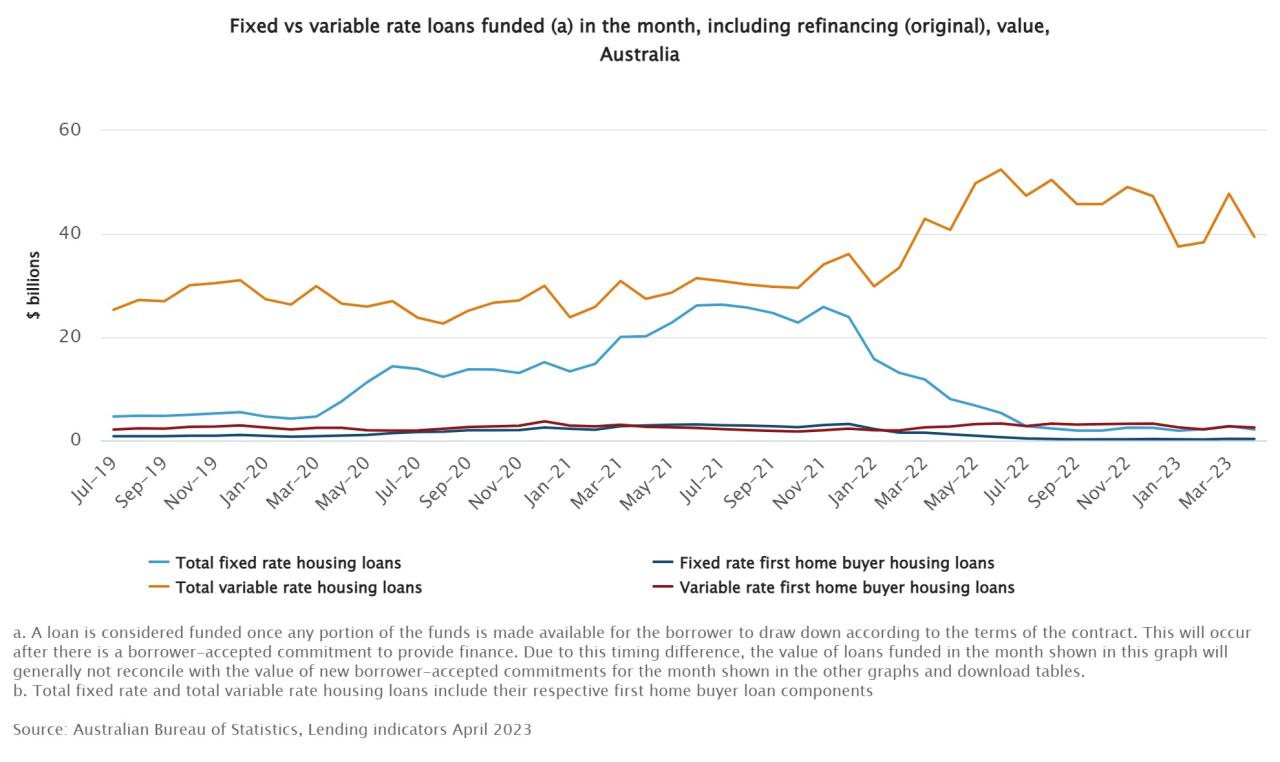
Exploring the landscape of Fixed vs. Variable Mortgage Rates in Australia and predicting the market direction for 2026 sets the stage for an insightful journey filled with valuable information and foresight.
Delving into the nuances of mortgage rates, economic influences, historical patterns, and future projections captivates the reader's attention right from the start.
Fixed vs. Variable Mortgage Rates
When it comes to choosing a mortgage rate in Australia, borrowers often have to decide between fixed and variable options. Let's explore the key differences and factors to consider for each type.
Fixed Mortgage Rates
Fixed mortgage rates remain constant throughout a specified period, providing stability in monthly repayments. This can be advantageous in the following scenarios:
- During periods of economic uncertainty when interest rates are expected to rise, locking in a fixed rate can protect borrowers from increased repayments.
- For budget-conscious individuals who prefer predictable monthly expenses, fixed rates offer peace of mind.
However, it's essential to note that fixed rates may come with certain drawbacks, such as:
- Higher initial interest rates compared to variable rates, which could result in paying more over time if market rates drop.
- Potential break fees for ending the fixed term early, restricting flexibility in refinancing or selling the property.
Variable Mortgage Rates
Variable mortgage rates fluctuate based on market conditions, offering the potential for lower rates but also the risk of increased repayments. Consider the following advantages and disadvantages of variable rates:
- Flexibility to benefit from rate cuts if the market interest rates decrease, leading to potential savings on repayments.
- No break fees associated with early repayment or refinancing, allowing borrowers to take advantage of better offers.
On the downside, variable rates can pose challenges in budgeting due to fluctuations in monthly repayments, making it harder to predict long-term expenses.
Factors Influencing Mortgage Rates
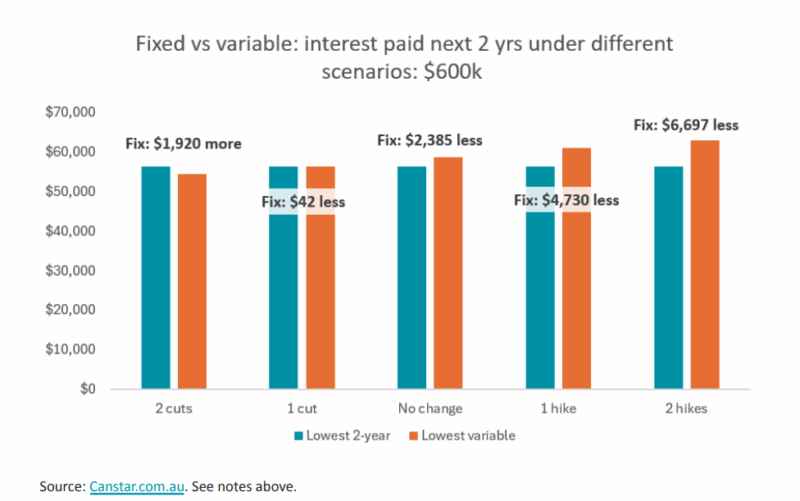 When it comes to mortgage rates in Australia, several key factors play a crucial role in determining whether rates will rise or fall. These factors can impact both fixed and variable rates differently, making it essential for borrowers to understand the dynamics at play.
Economic Indicators Impact
Economic indicators such as inflation rates, unemployment figures, and GDP growth can have a significant impact on mortgage rates. In general, when the economy is performing well, with low unemployment and steady growth, interest rates tend to rise. This can affect variable rates more directly, as they are often tied to the Reserve Bank of Australia's cash rate. On the other hand, fixed rates may not be as reactive to short-term economic indicators, offering borrowers more stability over a set period.Global Economic Trends
Global economic trends can also influence local mortgage rates in Australia. Factors such as international trade agreements, geopolitical events, and currency fluctuations can all impact the cost of borrowing. For example, if there is instability in global financial markets, local lenders may increase their rates to mitigate risks. Understanding how these external factors can affect mortgage rates is essential for borrowers looking to secure the best deal for their home loan.Historical Trends in Mortgage Rates

Understanding historical trends in mortgage rates can provide valuable insights into the direction of fixed and variable rates in the future.
Average Interest Rates Comparison
Let's compare the average interest rates for fixed and variable mortgages in Australia over the past decade:
- In the period following the global financial crisis of 2008, fixed rates were generally higher than variable rates as lenders sought to mitigate risk.
- During economic recovery phases, variable rates tended to decrease, offering more flexibility to borrowers.
- In times of economic uncertainty, fixed rates often saw a slight increase due to market volatility.
Impact of Economic Periods
Historical data reveals that economic periods have a significant influence on mortgage rates:
| Economic Period | Fixed Mortgage Rates | Variable Mortgage Rates |
|---|---|---|
| Stable Economy | 5.2% | 4.8% |
| Recession | 6.5% | 5.3% |
| Economic Boom | 4.9% | 4.5% |
Predicting Future Movements
By analyzing historical trends, experts can make informed predictions about future movements in mortgage rates:
Historical data suggests that in times of economic stability, variable rates may remain low, while fixed rates could see a slight increase if inflation rises.
During a recession, fixed rates tend to rise faster than variable rates, offering borrowers the opportunity to lock in lower rates before any potential hikes.
Market Predictions for 2026
In 2026, experts predict that both fixed and variable mortgage rates in Australia are likely to experience fluctuations based on various factors influencing the market. These rates are expected to be influenced by economic conditions, government policies, and global events that impact the financial sector.Potential Scenarios for Mortgage Rate Changes
- Changes in Reserve Bank of Australia (RBA) Interest Rates: The decisions made by the RBA regarding interest rates can have a significant impact on mortgage rates. If the RBA decides to increase or decrease the official cash rate, it could lead to corresponding changes in fixed and variable mortgage rates.
- Economic Growth and Inflation: Strong economic growth and rising inflation can put upward pressure on mortgage rates as lenders adjust to mitigate risks. Conversely, economic slowdowns or low inflation may prompt lenders to lower rates to stimulate borrowing and spending.
- Global Events and Market Volatility: Events such as geopolitical tensions, changes in global trade dynamics, or financial market volatility can influence investor sentiment and funding costs for lenders, potentially leading to changes in mortgage rates.
Impact of Government Policies and Regulations
- Housing Affordability Measures: Government initiatives aimed at improving housing affordability, such as first-home buyer schemes or subsidies, may impact demand for mortgages and influence rate trends.
- Regulatory Changes: Updates to lending standards or regulations by regulatory bodies like the Australian Prudential Regulation Authority (APRA) can affect how lenders price their mortgage products, potentially leading to shifts in fixed and variable rates.
- Fiscal and Monetary Policies: Changes in government fiscal policy or monetary stimulus measures can impact interest rates and overall economic conditions, influencing mortgage rate movements in the market.
End of Discussion
In conclusion, the dynamic interplay between fixed and variable mortgage rates in Australia, coupled with economic shifts and expert predictions, paints a compelling picture of what lies ahead in the market as we approach 2026.
Top FAQs
What are the main differences between fixed and variable mortgage rates?
Fixed rates remain constant for a set period, providing stability, while variable rates fluctuate with market conditions, offering potential savings or risks.
When is it more advantageous to choose a fixed rate over a variable rate?
Opting for a fixed rate is beneficial when interest rates are low and expected to rise, securing a lower rate for the duration of the fixed term.
How do global economic trends impact local mortgage rates in Australia?
Global economic trends can influence Australian mortgage rates through factors like exchange rates, inflation, and international market stability, affecting borrowing costs.

