

Exploring the intricacies of comparing home loan refinance rates among Australia's major banks, this introduction sets the stage for a detailed analysis that is both informative and engaging.
Providing insights into the key factors affecting rates and the significance of choosing between fixed and variable rates, this paragraph aims to captivate the reader's interest right from the start.
Understanding Home Loan Refinance Rates
When it comes to home loan refinance rates, it's important to grasp the key concepts involved. Refinancing a home loan essentially involves taking out a new loan to replace an existing one, often to secure a lower interest rate or better terms. The refinance rate is the interest rate attached to this new loan, which can vary based on a range of factors.Factors Influencing Home Loan Refinance Rates
- Economic Conditions: Fluctuations in the economy can impact refinance rates, with factors like inflation and unemployment rates playing a role.
- Credit Score: Borrowers with higher credit scores typically qualify for lower refinance rates as they are seen as less risky by lenders.
- Loan Amount and Loan-to-Value Ratio: The amount being refinanced and the ratio of the loan amount to the home's value can affect the refinance rate offered.
- Market Competition: Competition among lenders can lead to lower refinance rates as they vie for customers.
Fixed vs. Variable Rates in Home Loan Refinancing
- Fixed Rates: Fixed refinance rates remain constant throughout the loan term, providing stability and predictability in monthly payments. However, these rates are often initially higher than variable rates.
- Variable Rates: Variable refinance rates can fluctuate based on market conditions, potentially leading to lower rates initially. While they offer the chance of lower payments, they also carry the risk of rates increasing over time.
Overview of Australia’s Big Four Banks
 Australia's banking sector is dominated by four major banks, commonly known as the Big Four. These banks are ANZ, Commonwealth Bank, NAB (National Australia Bank), and Westpac. Each of these banks plays a significant role in the country's financial landscape.ANZ, or Australia and New Zealand Banking Group, is one of the largest banks in Australia and has a strong presence in both countries. It has a reputation for innovation and a focus on customer service.Commonwealth Bank, also known as CBA, is the largest bank in Australia by market capitalization. It is known for its wide range of financial products and services catering to both personal and business customers.NAB, or National Australia Bank, is another major player in the Australian banking industry. It has a strong focus on customer satisfaction and has a significant market share in the country.Westpac is the oldest bank in Australia and has a long history of serving customers in the country. It is known for its stability and diverse range of financial offerings.
Historical Trends of Home Loan Rates
When it comes to home loan rates, each of the Big Four banks has its own unique history. Over the years, these banks have adjusted their rates in response to various economic factors, market conditions, and competition.- ANZ: ANZ has been known to offer competitive home loan rates, often introducing special promotions or discounts for new customers. The bank has a reputation for flexibility in its rate offerings.
- Commonwealth Bank: CBA has a strong market presence and has been known to offer a wide range of home loan products to cater to different customer needs. The bank's rates have been competitive in the market.
- NAB: NAB has focused on providing competitive rates to attract new customers and retain existing ones. The bank has been known to introduce innovative rate structures to meet customer demand.
- Westpac: Westpac has a reputation for stability and reliability in its home loan offerings. The bank has adjusted its rates over time to remain competitive in the market.
Comparing Home Loan Refinance Rates Among Big Four Banks
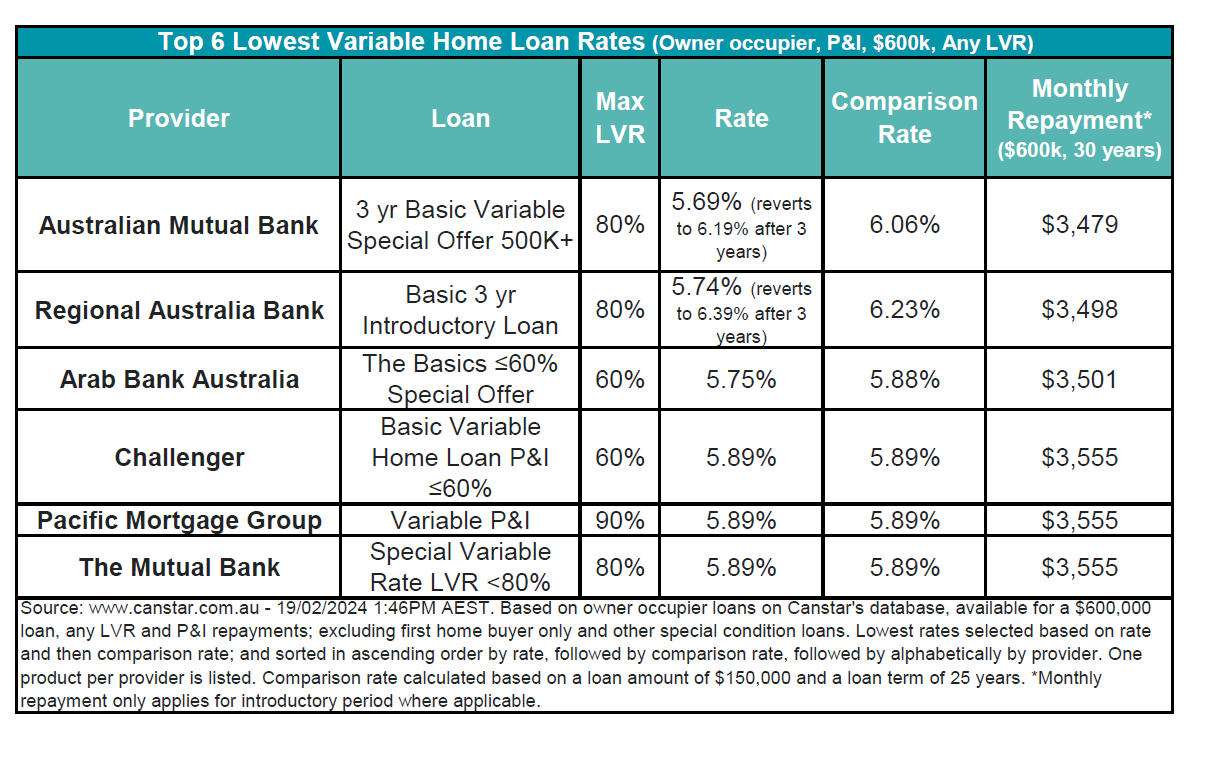
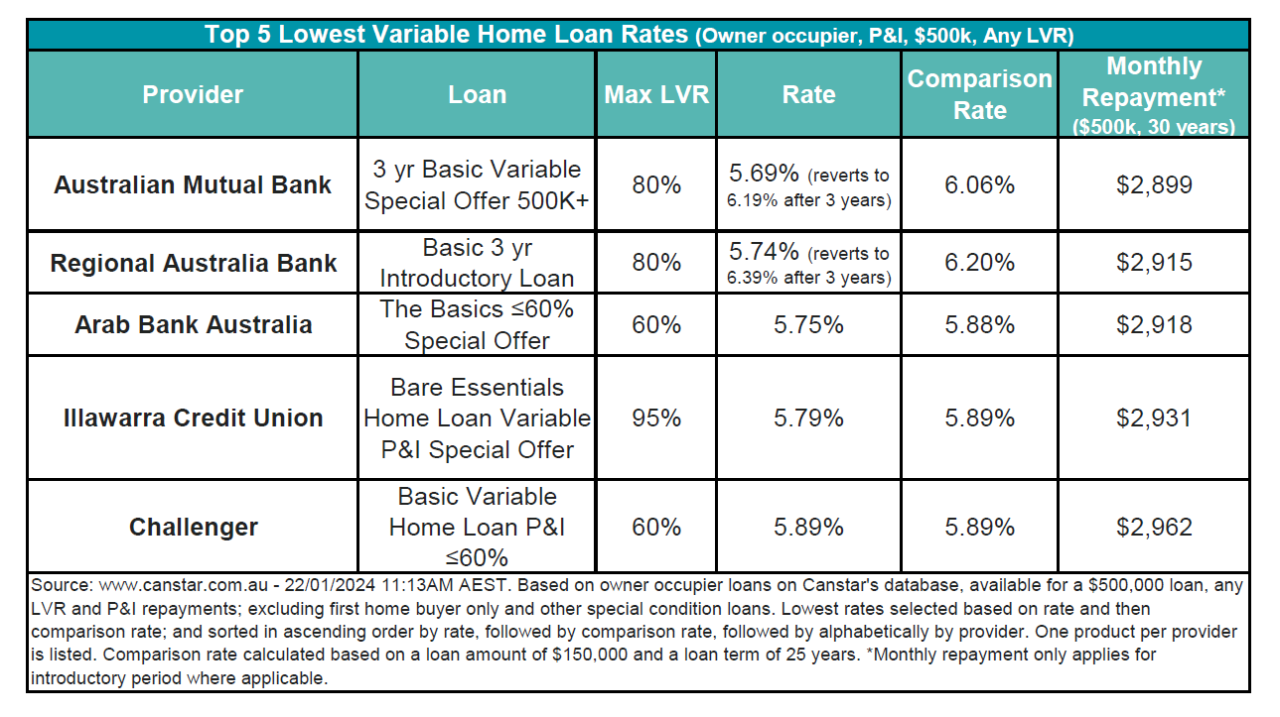 To make an informed decision when refinancing your home loan, it's essential to compare the rates offered by Australia's big four banks. This comparison will help you determine the most competitive option based on your financial goals and needs.When comparing home loan refinance rates among the big four banks – Commonwealth Bank, ANZ, Westpac, and NAB – it's crucial to consider both fixed and variable rates. Fixed rates provide stability and predictability in repayments, while variable rates offer flexibility with potential fluctuations in interest rates.
Current Home Loan Refinance Rates
| Bank | Fixed Rate | Variable Rate | Promotional Offers |
|---|---|---|---|
| Commonwealth Bank | 2.19% | 2.49% | Special cashback offer for refinancing customers |
| ANZ | 2.29% | 2.59% | Discounted rates for eligible customers |
| Westpac | 2.25% | 2.55% | Waived application fees for a limited time |
| NAB | 2.15% | 2.45% | Flexible repayment options available |
Factors to Consider When Comparing Rates
When comparing home loan refinance rates among Australia's big four banks, there are several factors to consider to ensure you are getting the best deal possible. It's essential to look beyond just the interest rate and take into account other important aspects that can impact the overall cost of your loan.Importance of Comparison Rates
When evaluating home loan offers, it's crucial to pay attention to the comparison rate in addition to the advertised interest rate. The comparison rate includes both the interest rate and any associated fees and charges, providing a more accurate representation of the total cost of the loan. This allows you to make a more informed decision when comparing different loan options.
Additional Fees and Charges
Aside from the interest rate, there are other fees and charges associated with refinancing that can significantly impact the overall cost of your loan. These may include application fees, valuation fees, legal fees, and ongoing fees. It's important to consider these additional costs when comparing rates among the big four banks to ensure you are getting a comprehensive view of the total expenses involved.
Tips for Negotiating Better Rates
When comparing home loan refinance rates, don't be afraid to negotiate with the banks for better rates. You can leverage offers from competing banks to negotiate a better deal. Consider speaking with a mortgage broker who can help you navigate the negotiation process and potentially secure a more competitive rate. Remember, it never hurts to ask, and the savings from even a slightly lower rate can add up significantly over the life of your loan.
Concluding Remarks
In conclusion, the discussion on comparing home loan refinance rates among Australia's Big Four Banks sheds light on the crucial aspects to consider when navigating through the options offered by these financial institutions.
FAQ Section
What factors should I consider when comparing home loan refinance rates?
When comparing rates, consider the comparison rates, additional fees, and the possibility of negotiating for better rates with the banks.
Are there any special offers or promotional rates currently available from the Big Four Banks?
It's advisable to check with each bank directly as they often have promotional rates or special offers for refinancing.
How do fixed rates differ from variable rates in the context of home loan refinancing?
Fixed rates offer stable repayments, while variable rates fluctuate with market conditions. Understanding this difference is crucial when choosing the right option.

